
Round Table
From Early Promises to the AI Revolution: Where Is Robotics Heading?
Date: Friday, 20 November 2026
Time: 11:00–12:00
Room: Sala d’Actes
Abstract
Robotics has evolved considerably over the past decades, from early visions of autonomous machines to increasingly sophisticated systems capable of perceiving, learning, manipulating objects, and interacting with humans. This evolution has also shaped the robotics research landscape across the Iberian Peninsula, and particularly in Catalonia, where research groups and institutions have contributed to the development of the field. Yet, many long-standing challenges remain, and recent advances in artificial intelligence are opening new possibilities while raising fundamental questions about the future of robotics.
This roundtable will bring together four leading researchers in robotics - Carme Torras, Alberto Sanfeliu, Jan Rosell, and Raúl Suárez - to reflect on the evolution of robotics from their respective perspectives and experiences, both locally and internationally. The discussion will explore how the field has evolved over the years, the expectations and challenges that have shaped its development, and the impact of current AI advances. It will also address the evolution of the robotics research community and ecosystem in the Iberian Peninsula, particularly in Catalonia, as well as the opportunities and challenges that lie ahead at both local and global levels.
Rather than focusing solely on technological advances, the roundtable will encourage a broader reflection on the lessons learned from past research, the role of the local research ecosystem, the opportunities and limitations of current approaches, and the scientific and societal questions that will define the next generation of robotic systems.
Speakers
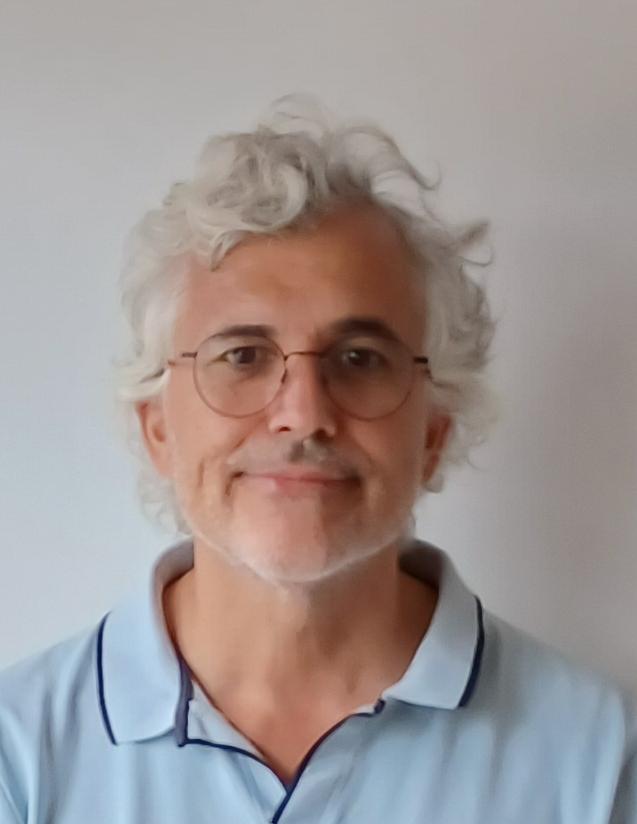
Prof. Jan Rosell
Institute of Industrial and Control Engineering (IOC-UPC)
Universitat Politècnica de Catalunya
Jan Rosell received his degree in Telecommunications Engineering in 1989 and his PhD in 1998, both from the Universitat Politècnica de Catalunya (UPC), Barcelona, Spain. He has been with IOC-UPC since 1992 and is an Associate Professor in the Department of Automatic Control, teaching robotics at the Barcelona School of Industrial Engineering (ETSEIB). He served as Assistant Director for Research and Industry Relations at ETSEIB from 2021 to 2025 and has served as Assistant Director at IOC since 2025. His research focuses on robotic manipulation, grasping, task and motion planning, and knowledge representation and reasoning, aiming to develop autonomous robots capable of flexible and adaptive collaboration with humans. He has participated in numerous national and European projects, contributed to open-source motion-planning tools, supervised PhD theses, and published more than 140 papers. His work has received best-paper awards at international IEEE conferences.

Prof. Alberto Sanfeliu
Institut de Robòtica i Informàtica Industrial (CSIC-UPC)
Alberto Sanfeliu is Professor Emeritus of Computational Sciences and Artificial Intelligence at the Universitat Politècnica de Catalunya (UPC), Spain. He was Director of the Institut de Robòtica i Informàtica Industrial (IRI, CSIC-UPC), Scientific Director of its María de Maeztu Unit of Excellence, and Director of UPC's Automatic Control Department. He headed IRI's Mobile Robotics research line and served as President of Spanish professional societies in robotics and pattern recognition. He received a Technology Prize from the Government of Catalonia and is a Fellow of the International Association for Pattern Recognition. His research has spanned pattern recognition, computer vision, robotics, and artificial intelligence, and currently includes human–robot interaction and cybernetic avatars.
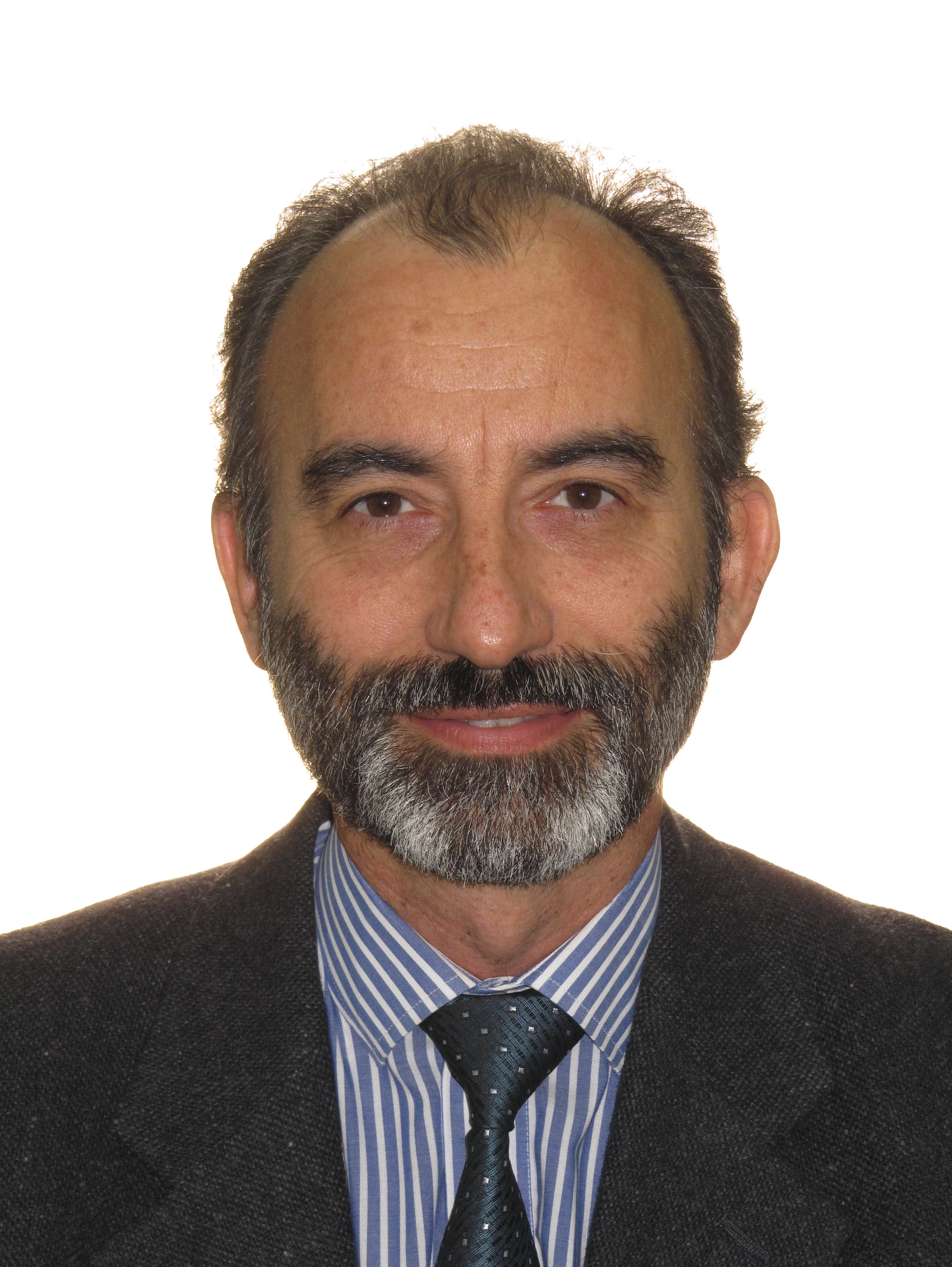
Prof. Raúl Suárez
Institute of Industrial and Control Engineering (IOC-UPC)
Universitat Politècnica de Catalunya
Raúl Suárez received his degree in Electronic Engineering from the National University of San Juan, Argentina, in 1984 (Best Student Award), and his PhD in Telecommunications Engineering from UPC in 1993 (Cum Laude). He was a Visiting Scholar at the University of Southern California in 1986 and is currently a Research Supervisor at IOC-UPC. He was Director of IOC from 2009 to 2016 and has been responsible for its Robotics Division since 2016. He coordinated a UPC PhD program in robotics from 1995 to 2023 and served as President of the IEEE RAS Spanish Chapter from 2019 to 2023. He has coauthored more than 100 papers and participated in 28 competitive research projects, acting as principal investigator in 12. His research focuses on intelligent robotics, especially motion planning, robotic grasping, and dexterous manipulation.
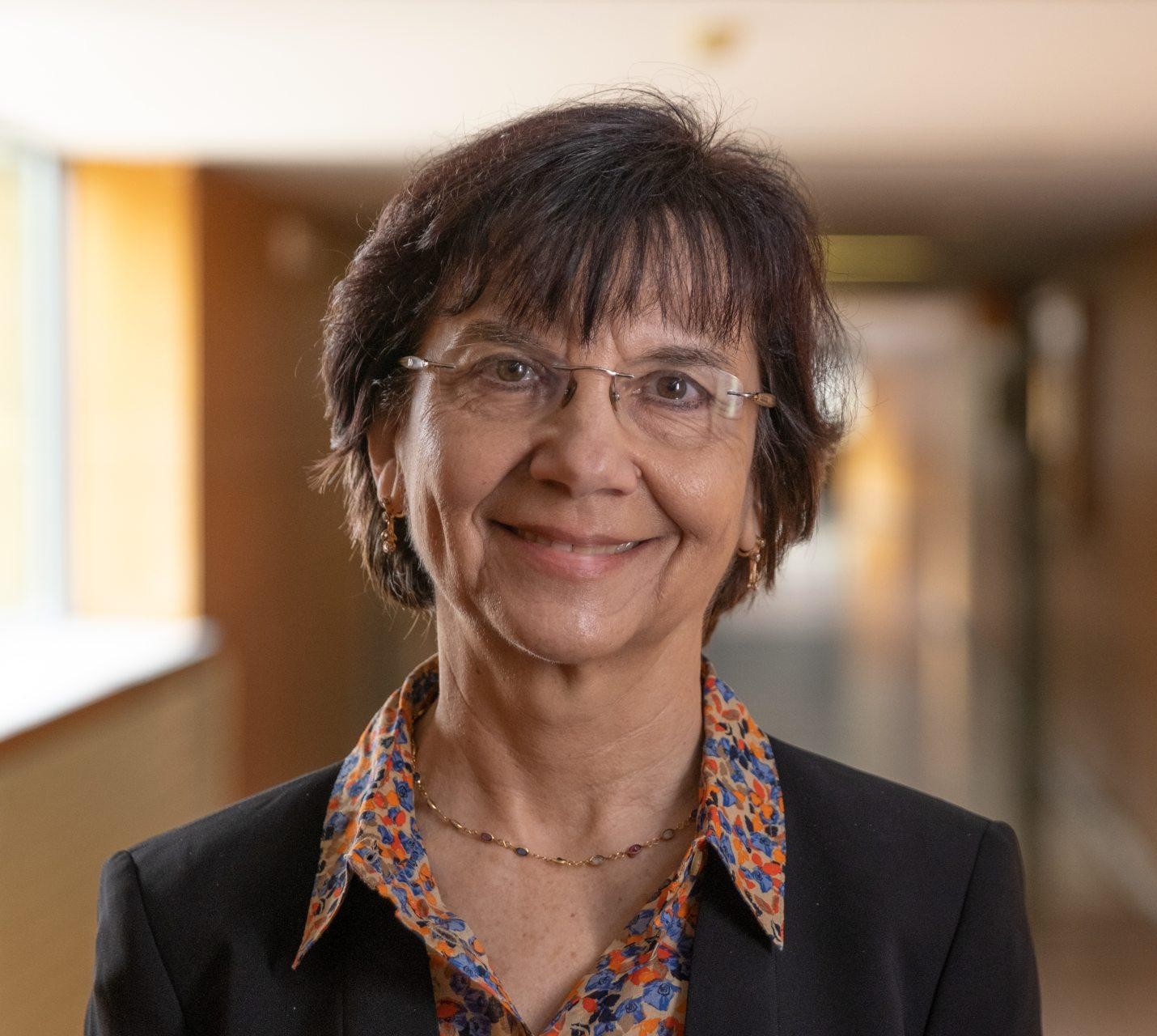
Prof. Carme Torras
Institut de Robòtica i Informàtica Industrial (CSIC-UPC)
Carme Torras is Research Professor at the Institut de Robòtica i Informàtica Industrial (CSIC-UPC), where she heads the RobIRI research group. She has supervised 24 PhD theses and led 17 European projects, including the ERC Advanced Grant CLOTHILDE. She was Senior Editor of IEEE Transactions on Robotics and IEEE RAS Associate Vice President for Publications. She is an IEEE, EurAI, and ELLIS Fellow and a member of the Spanish Royal Academy of Engineering. Her work has received the Catalan National Research Award (2020), the Spanish National Research Prize in mathematics and ICT (2020), and the Creu de Sant Jordi (2024). Committed to promoting technoethics, she has developed teaching materials based on her science-fiction novel The Vestigial Heart (MIT Press, 2018). She is Vice-President of CSIC's Ethics Committee and a member of the advisory board of AESIA, Spain's AI supervisory agency.